Volcano erruption blog

Our DIY volcano eruption project turned out to be a success! We crafted our volcano using paper mache, vibrant paints, and the perfect combination of baking soda and vinegar for the eruption.

On the day of the demonstration, the excitement was palpable as we unveiled our creation  when it erupted, it spewed vibrant red lava all over the  newspaper on the table, much to the delight of our classmates and teachers. The teacher was so impressed with our innovative approach and simple but amazing display that we ended up winning and tying for best eruption! It was a thrilling experience that truly showcased our teamwork and creativity.

Arthritis – Toroa health assesment

20.11.25

Arthritis,

Arthritis - Symptoms and causes - Mayo Clinic

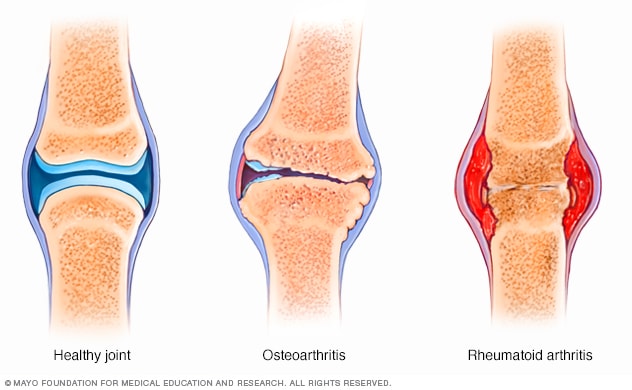
Arthritis is a common health condition of inflammation of the joints, causing pain and stiffness. there are different types of arthritis.

Common types are:

  • Osteoarthritis

The most common form of arthritis, caused by the breakdown of joint cartilage, often develops slowly over the years

  • Rheumatoid Arthritis

An inflammatory type of arthritis that affects more than just the joints

  • Gout

A type of inflammatory arthritis caused by a buildup of uric acid in the blood, which forms needle-like crystals in the joints

Management and treatment:

1. Physical Therapy (TM – Traditional Medicine)

Physical therapy is often prescribed by healthcare professionals, focusing on strengthening the muscles around the joints, improving flexibility, and reducing the pain caused by it. It’s traditional medicine because it relies on scientifically proven methods and techniques.

Physical therapy aids in enhancing physical well-being

(P), as it promotes movement and reduces discomfort, while also benefiting emotional well-being through better mobility and reduced frustration and potential conflicts with others (I). Being able to participate in group exercises can create or enhance connections with others going through similar challenges.

2. Acupuncture (CAM – Complementary and Alternative Medicine)

Acupuncture is a treatment based on traditional Chinese medicine, involving the insertion of thin needles at specific points on the body to relieve pain and promote healing. It is categorised as CAM because it is not considered a mainstream medical treatment but is often used alongside conventional therapies.

Acupuncture can positively affect physical health (P) by alleviating pain and inflammation.

Its calming effects can also enhance emotional well-being, improving relationships/ communication between two individuals(I),

Meeting other groups who might suffer or get the same treatment procedure as you (s)

3. (WSM – Western Medicine)

Medications are commonly used to reduce inflammation and relieve pain in arthritis patients. This treatment falls under Western medicine because it is based on clinical/scientific testing of how inflammation contributes to pain.

Medication impact physical health (P) by offering direct pain relief, improving mobility and daily activities.

However, they can sometimes affect emotional health (I) negatively, as reliance on medication can bring about feelings of anxiety or fear.

Positive Impacts:

1. Physical Well-being Physical therapy can improve mobility and strength, reducing pain and encouraging a more active lifestyle.

2. Social Well-being: Group therapy and support networks foster social connections, creating a sense of community among individuals with similar challenges.

3. Mental Well-being: Treatments like acupuncture can alleviate pain and reduce stress, contributing to a more positive mood and outlook.

Negative Impacts:

1. Physical Well-being: Chronic pain can limit mobility and daily activities, negatively impacting overall health and fitness.

2. Mental Well-being: The persistent nature of arthritis can lead to anxiety and depression, caused by continuous pain and activity limitation.

3. Spiritual Well-being: Managing arthritis can lead to feelings of frustration or hopelessness, affecting ones sense of purpose.


Coraline Blog

I really enjoyed the movie Coraline. The animation is nicely done, and I love how it contrasts the vibrant Other World with Coralines dull real life. The different camera angles add so much depth to her character, showing her bravery and vulnerability. I feel as if I can understand what is not said with the display in the movie. The films themes about wanting something better and the dangers that come with that really hit for me. I feel confident writing an essay about it because there’s so much to explore, and I can easily share my personal feelings along with examples from the film. Overall, Coraline is a captivating movie, not like your regular animated movie.

Maes Inquire a medicine or health related passion area – Isotretinoin

Isotretinoin (commonly known as Accutane)

is a powerful prescription  medication used for treating severe acne that hasn’t responded to other treatments

Positive impacts:

  1. Physical well-being:

Reduction of acne: Isotretinoin significantly manages or clears severe acne, improving skin health and appearance.

2.  Social well-being

People with clearer skin may feel more comfortable in social settings and situations, potentially creating enhanced social interactions.

3. Mental Well-being

Individuals may have a boost of self-esteem and confidence, increasing overall mental health

Negative impacts:

  1. Physical well-being:

Severe side effects: Isotretinoin can cause various side effects, like dry skin, migraines and joint pain. In some severe cases, it could be liver damage or increased cholesterol levels. The physical side effects may lead to frustration and anxiety, which affect a person’s overall mental state.

2. Mental well-being:

There have been raised concerns over the past few decades about isotretinoin’s effects on mental health. Associated with mood swings, depression, etc, particularly in younger users.


Short-term and long-term impacts:

Short term: Initial treatment may lead to flare-ups in acne as the medication begins to work; users may also experience changes in mood or self-esteem as they adjust to the treatment.

Long term: Successful persistent use can lead to sustained clear skin, great self-confidence and side effects will die down.


Questions About Isotretinoin
1. What are the most common side effects of isotretinoin?
2. How does isotretinoin affect mental health?
3. What measures can be taken to manage side effects during treatment?
Answers :
1. What are the most common side effects of isotretinoin? – Common side effects of isotretinoin include dry skin, chapped lips, dry eyes, nosebleeds, and sensitivity to sunlight. (American Academy of Dermatology, 2021).
2. How does isotretinoin affect mental health?-There is ongoing research about the impact of isotretinoin on mental health. Some studies have shown associations with depression and anxiety, particularly in young individuals. It’s essential for patients to be monitored closely for any signs of mood changes throughout treatment. While some patients report improved self-esteem post-treatment, (Journal of the American Academy of Dermatology, 2020).
3. What measures can be taken to manage side effects during treatment? Managing side effects of isotretinoin can involve: –
Hydration: Regularly moisturise the skin and use lip balm to minimise dryness.
Adjusting Lifestyle:** Limiting sun exposure and using sunscreen to protect sensitive skin.
Regular Check-Ups: Consistent follow-up appointments with a dermatologist to monitor blood work and adjust dosage as necessary.
Mental Health Support:  Engaging in support groups or therapy to discuss feelings and experiences during treatment (American Academy of Dermatology, 2021).
Interesting Fact About Isotretinoin: Isotretinoin is derived from vitamin A and has been shown to have a profound impact on acne by reducing sebum production, which can decrease the size of sebaceous glands and prevent the clogging of hair follicles (National Institute of Arthritis and Musculoskeletal and Skin Diseases, 2022).
Sources:
– American Academy of Dermatology (2021). “Isotretinoin.”
– Journal of the American Academy of Dermatology (2020). “Psychological Effects of Isotretinoin.”
National Institute of Arthritis and Musculoskeletal and Skin Diseases (2022). “Isotretinoin and Its Role in Acne Treatment.”


My holidays – Term 4

During my holidays, I simply took the time to relax and unwind. I spent my mornings lounging around, not worrying about a thing. I enjoyed quiet afternoons, watching shows and catching up on sleep. There were no plans, just a laid-back vibe that felt great. Evenings turned into casual walks or just hanging out at home. Overall, it was all about chilling and enjoying some downtime.

End of term 3 reflection

This term has been a great journey for me. I’ve noticed a lot of improvement in my skills and understanding of the subjects. The lessons were engaging, and I really enjoyed the discussions and activities we did in class. Each challenge helped me grow, and I feel more confident in my abilities now. I’m excited to carry this momentum into the next term and continue learning!

Unknown solutions experiment

We learnt about the pH scale system, how it works and what it means. We were then given some equipment and a variety of jars containing different fluids

Chemical being tested Acid or Base? Evidence from investigation
Dishwashing liquid  Base  The blue litmus paper stayed the same colour as we dipped it in. The red litmus paper however has instantly changed its colour to blue.
Toilet cleaner  Acid  The red litmus paper that we used stayed the same colour, but as soon as we dipped in the blue it changed straight to red. 
7 up  Acid  As soon as we dipped our blue litmus paper it straight away turned red, and when we dipped our red on it stayed the same colour. 
Lemonade Acid  Just like all the others as soon as we dipped it inot the lemonade it turned red, but the blue litmus paper we used turned red. 
Spray and wipe  base For our spray and whip, it stayed blue when we used our blue litmus paper, and when we used our red litmus paper, it turned blue straight away. 

Consequences of drugs

  1. Marijuana
  •  The instant/short-term effects of marijuana on your body could be:

Psychological changes could be: altered perception, feelings of relaxation or a ‘euphoric’ feeling, or sometimes even the opposite, like panic or stress.

Physical changes on marijuana: Increased heart rate, dry mouth, reddening of the eyes, slower mobility and increased appetite

  • However, some of the harmful long-term effects could be

psychological changes like heightened risk of mental health disorders (like schizophrenia/psychosis) and addiction.

Physical changes in the long-term could be lung irritation, heightened risk of diseases like chronic bronchitis. Some studies also suggest that regular marijuana use may increase risk of heart attack, stroke, and other heart disease

2.  Fentanyl

  • The instant/short-term harmful effects of fentanyl, either intentionally or unintentionally

Most importantly, instant death from overdose, sedation, vomiting, nausea, muscle stiffness and spasms

  • The most obvious long-term effects of fentanyl

Heavy addiction, permanent damage to the respiratory system, mental fog and suppressed immune system

3. Crystal Methamphetamine

  • The instant/short-term harmful effects of crystal me

Psychological changes: Once taken it releases a high dose of dopamine into the brain, creating a fake ‘intense happiness’ feeling, confidence and hyperactivity, easily leading users to get addicted to it.

  • Long-term effects are..

Physical changes: Methamhetamine is a highly addictive synthetic drug that ruins your body and mind overtime these can be things like.

Open wounds, Dull skin, Unhealthy appearance, Severe acne,Extreme itching,Unhealthy heart rate, Weight loss, Seizures.

and it can introduce

Metal reactions blog

The three experiments we have done within the past few weeks are

  • The limewater test
  • Hydrogen pop test
  • Burning magnesium test

Some observations I noticed were for the hydrogen pop test was that when we first paired the solution and magnesium pieces in it we started to notice a instant bubbling and fizzing effect, we then began to see that gas particles slowly would rise up to the top of the tube, when we lit a match and held the flame near it we didnt notice anything. Suddenly we heard a loud pop reaction.

Then, for the burning magnesium test was when we lit the piece of magnesium above the Bunsen burner, and we didn’t notice much until we started to notice sparks, light and then a big white light shone up unexpectedly, and we avoided looking directly at the piece of magnesium.

And lastly, the limewater test. The limewater test did not work because we had to keep adding more marble, limewater and hydrochloric acid. We only noticed slight bubbling and fizzing, but that was really all; it was quite disappointing.

Reactions can be predicted from products by, for example, (Metal + acid = Metal salt + Hydrogen)

  • Limewater test: This experiment was testing for the presence of carbon dioxide (CO2). When carbon dioxide is bubbled through limewater (a solution of calcium hydroxide), it forms calcium carbonate, which causes the limewater to turn milky.
  • Hydrogen Pop Test: This test was designed to detect the presence of hydrogen gas (H2). The loud pop sound that happens when hydrogen gas is ignited makes its presence. The reaction involves a metal reacting with an acid to produce hydrogen gas.
  • Burning Magnesium Test This experiment was testing for the reaction of magnesium with oxygen. When magnesium burns, it reacts with oxygen in the air to form magnesium oxide, producing bright light and sparks. This demonstrates the reactivity of magnesium and the forming of an oxide.

Levers conclusion blog

In conclusion, our lever experiment showed how levers work as simple machines. A lever is basically a bar that moves around a point called a fulcrum to help lift stuff with less effort/force. 

When we moved the ruler, which acted as our lever, we were able to lift different numbers of marbles. We noticed that by changing where the fulcrum was on the ruler, we needed fewer marbles to lift the same amount, which really showed how levers can make things be lifted on the opposite side.

Overall, this experiment helped us see how effort, load, and simple machines work together to make lifting objects much simpler.

Experiment number Pencil placement Marbles in cup 1 Marbles in cup 2
1 20 cm 5 13
2 16 cm 5 7
3 12 cm 5 3
4 8 cm 5 0
5 4 cm 5 0